AI-First B2B Sales Stack for Modern Outbound That Scales
Our Top 6 Tool Choices
Last updated: February 2026 (EU)
Disclosure: Independent research. No vendor paid for placement.

TL;DR: What Makes an AI-First B2B Sales Stack Work?
An AI-first B2B sales stack is not just six tools.
It is a clean operational flow:
Signal → Context → Action → System of Record → Orchestration
The tools matter.
But the architecture matters more.
The most scalable outbound systems today combine:
Claap for meeting intelligence
Attio as a workflow-native CRM
Reply for multichannel execution
Clay for enrichment and research automation
OpenClaw (optional) as an orchestration layer
LinkedIn Sales Navigator for targeting and signals
The biggest failure mode?
Automation without governance.
In the EU especially, data minimization, access control, and workflow clarity are not optional. They are strategic advantages.
Why the AI-First B2B Sales Stack Matters Now
Outbound in 2026 is paradoxical.
AI tools are more powerful than ever.
But it is also easier than ever to build a fragile, over-automated system that looks busy and produces little revenue.
Two structural shifts are driving this.
1. AI Is No Longer a Feature — It’s Infrastructure
AI inside tools is now standard.
The difference is not whether a tool has AI.
It is whether AI is embedded into workflows.
For example:
Can it update CRM fields automatically?
Can it classify leads?
Can it trigger actions?
Can it summarize meetings into structured qualification?
According to HubSpot’s State of Sales research, over 70% of sales teams now use AI in some form.
Yet adoption does not equal impact.
The real advantage comes from AI operating inside systems, not chat windows.
2. Agentic Tools Change the Risk Profile
When AI connects to inboxes, CRMs, and calendars, risk shifts.
It is no longer about what a rep typed.
It is about what the system can access and execute.
OpenClaw’s documentation clearly states that an assistant may:
Execute commands
Read or write files
Send messages
Access networks
This is powerful.
But power without governance creates exposure.
In the EU context, especially under GDPR principles, least-privilege access and data minimization are critical.
This is why an AI-first B2B sales stack must be designed as a system — not assembled randomly.
The Operating Model Behind an AI-First B2B Sales Stack
At leansales.tech, we use this mental model:
Signal → Context → Action → System of Record → Orchestration
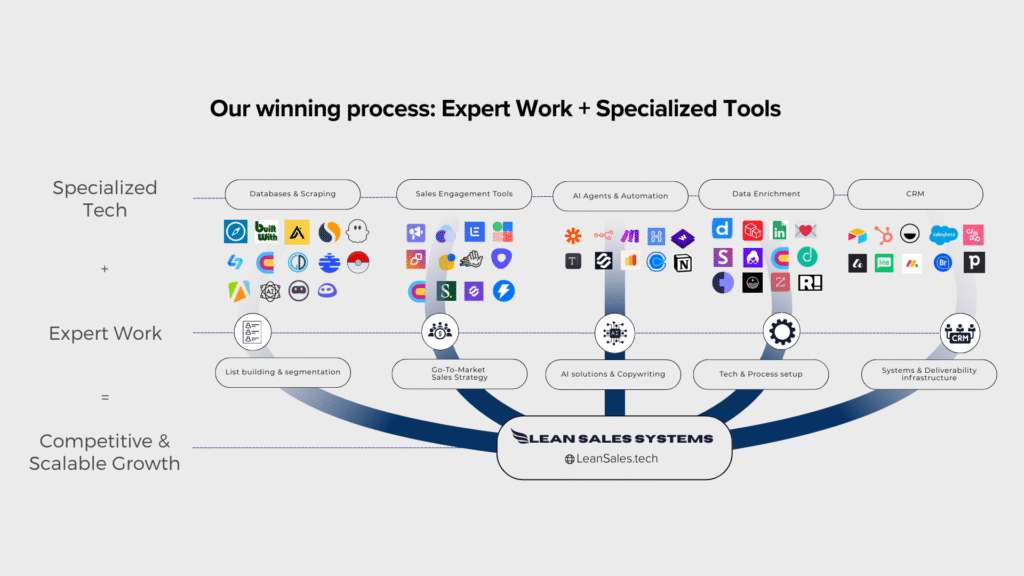
Let’s break that down.
1. Sales Navigator: The Signal Layer

Sales Navigator sits at the top of the stack.
It identifies:
Who to contact
When to contact them
What changed recently
LinkedIn reports over 1 billion members globally.
Its advanced search filters allow precise targeting.
Buyer intent alerts and engagement signals help align outreach with timing.
In Baltic markets, where business ecosystems are tight, timing matters even more.
Poor targeting spreads quickly.
Learn more about how we approach precision and reputation in our key business philosophy blog.
Honest caveat:
Connection limits and InMail allocations vary.
Do not optimize for volume. Optimize for relevance.
2. Clay: The Context Layer
Clay removes manual research bottlenecks.
It combines:
Multiple data providers
AI-based enrichment
Research automation
Claygent can retrieve structured company data from public sources.
Instead of scraping everything, smart teams define:
Which firmographics matter
Which qualification flags matter
Which contextual triggers matter
According to industry surveys, targeting errors account for a significant share of outbound underperformance.
In EU teams, enrichment must follow data minimization principles.
Collect what is necessary. Not everything available.
Clay should clarify targeting — not create a data swamp.
3. Reply: The Action Layer
Even the best targeting fails without execution.
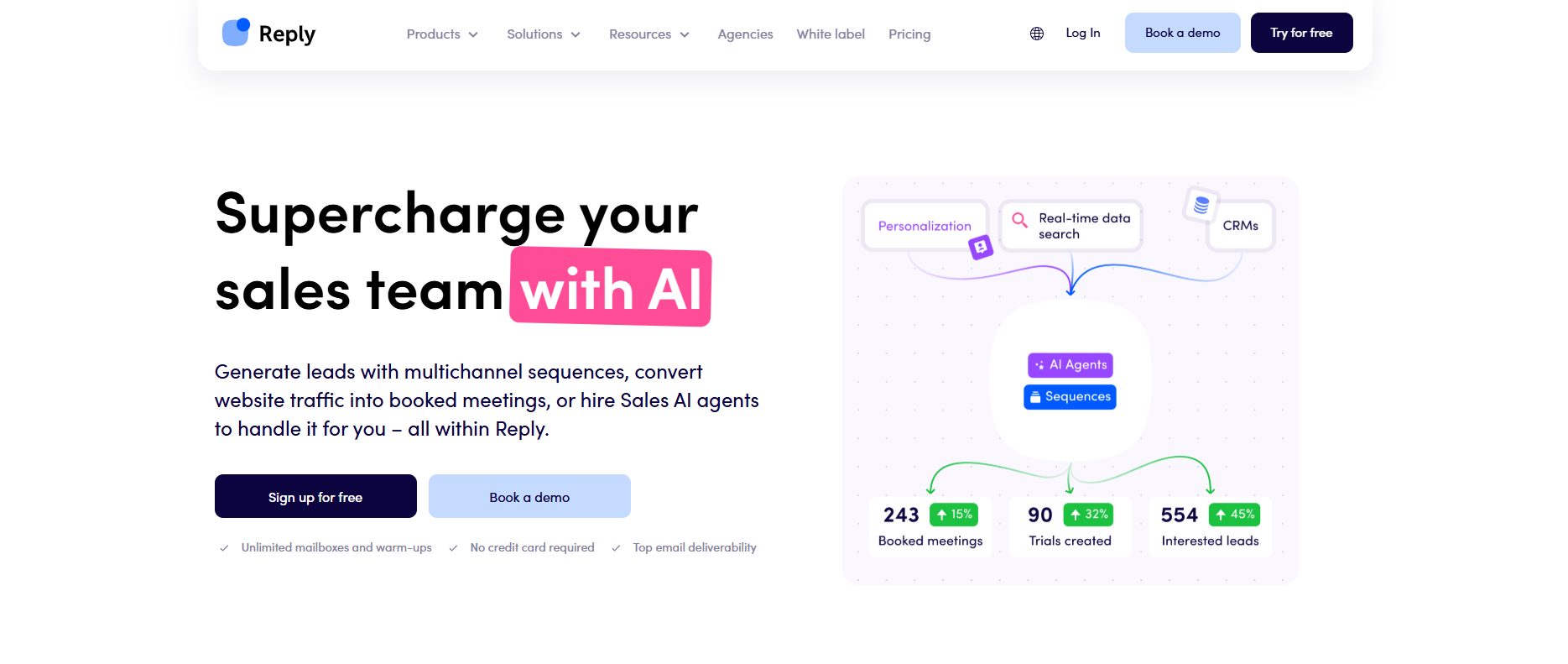
Reply operationalizes outreach through multichannel sequences:
Email
LinkedIn
Calls
Messaging apps
The key is not omnichannel volume.
It is controlled cadence.
Track:
Step-level reply rates
Positive reply rate
Meeting conversion
Industry benchmarks place cold email reply rates around 1–5%.
Structured iteration improves that.
In Baltic outbound, personalization combined with controlled volume protects deliverability and brand trust.
Guide on personalization in B2B automation
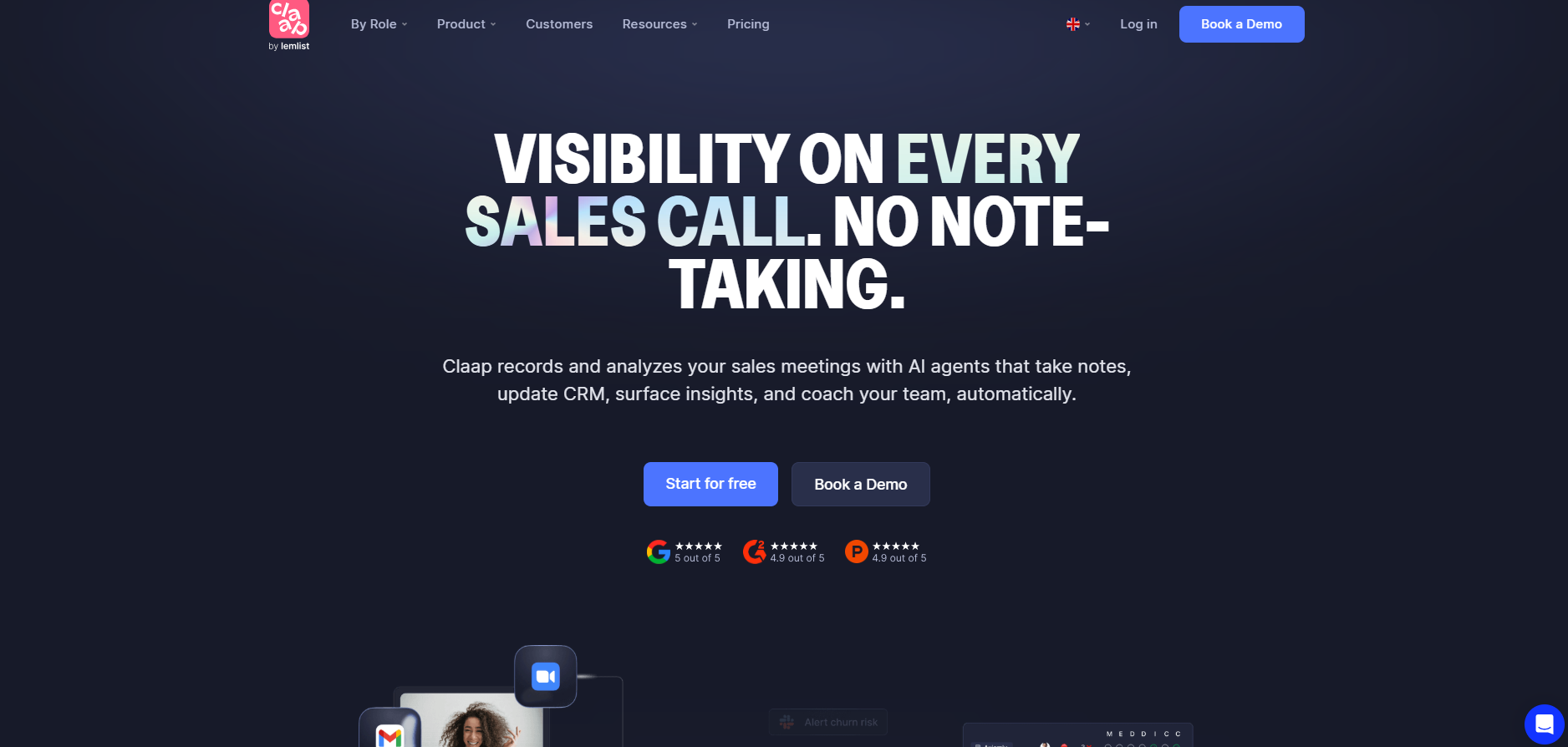
4. Claap: The Meeting Intelligence Layer
Most teams lose value after the meeting.
Notes sit in transcripts.
Qualification becomes inconsistent.
Claap structures meetings.
It:
Records and transcribes
Generates summaries
Maps insights to CRM fields
Supports frameworks like BANT, MEDDIC, SPICED
Consistency improves forecasting.
Structured qualification improves close rates.
However, performance claims should always be validated internally.
AI-generated follow-ups should be reviewed — especially in enterprise sales.
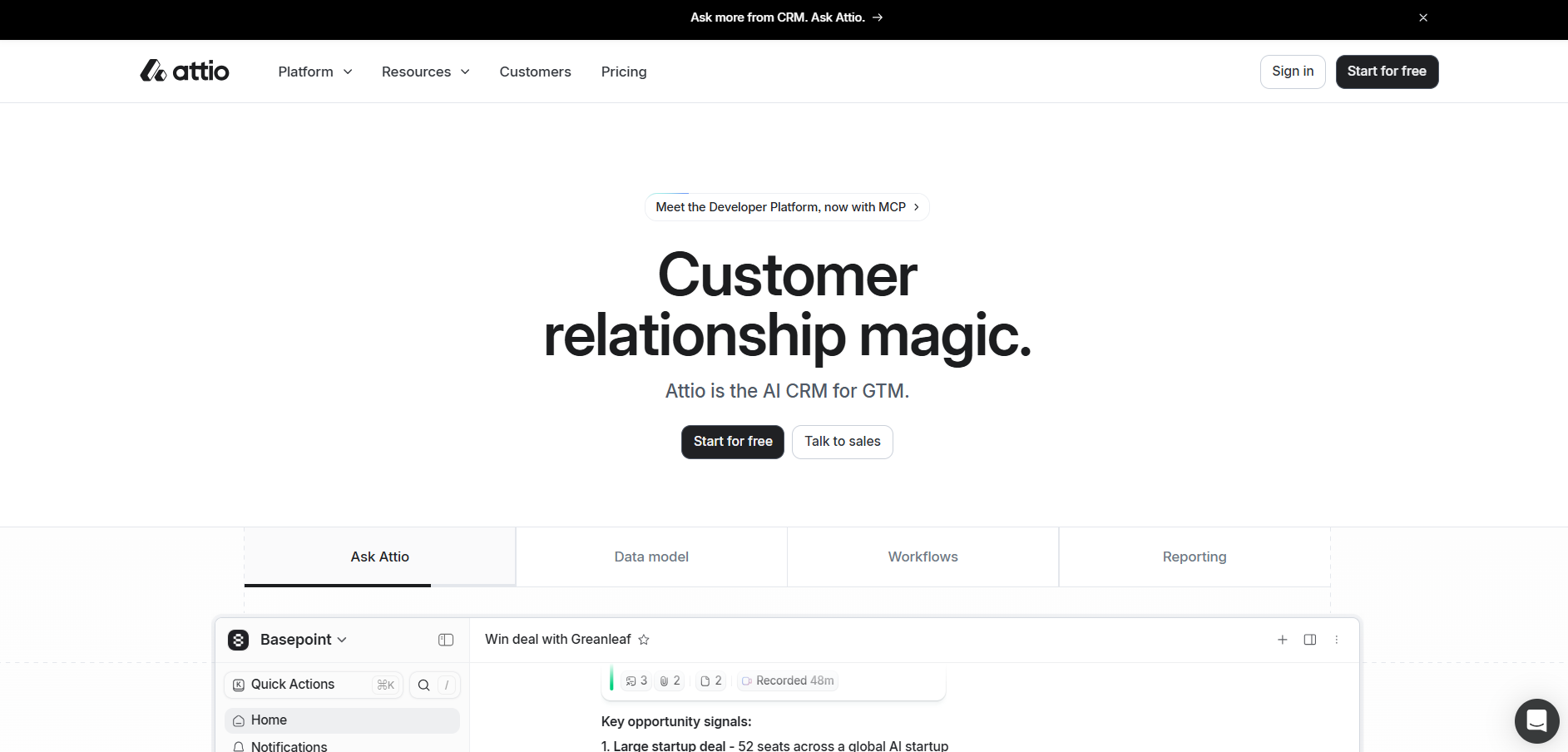
5. Attio: The System of Record
CRMs fail when adoption slips.
Attio positions itself as an AI-native CRM.
It allows:
AI-assisted record updates
Workflow automation
Embedded intelligence
Slack integration
Controlled email/calendar syncing
Forecasting requires structured fields — not text trapped in transcripts.
In an AI-first B2B sales stack, the CRM must stay accurate by default.
That requires:
Clear data definitions
Workflow automation
Governance
Without that, automation creates noise.
6. OpenClaw (Optional): The Orchestration Layer
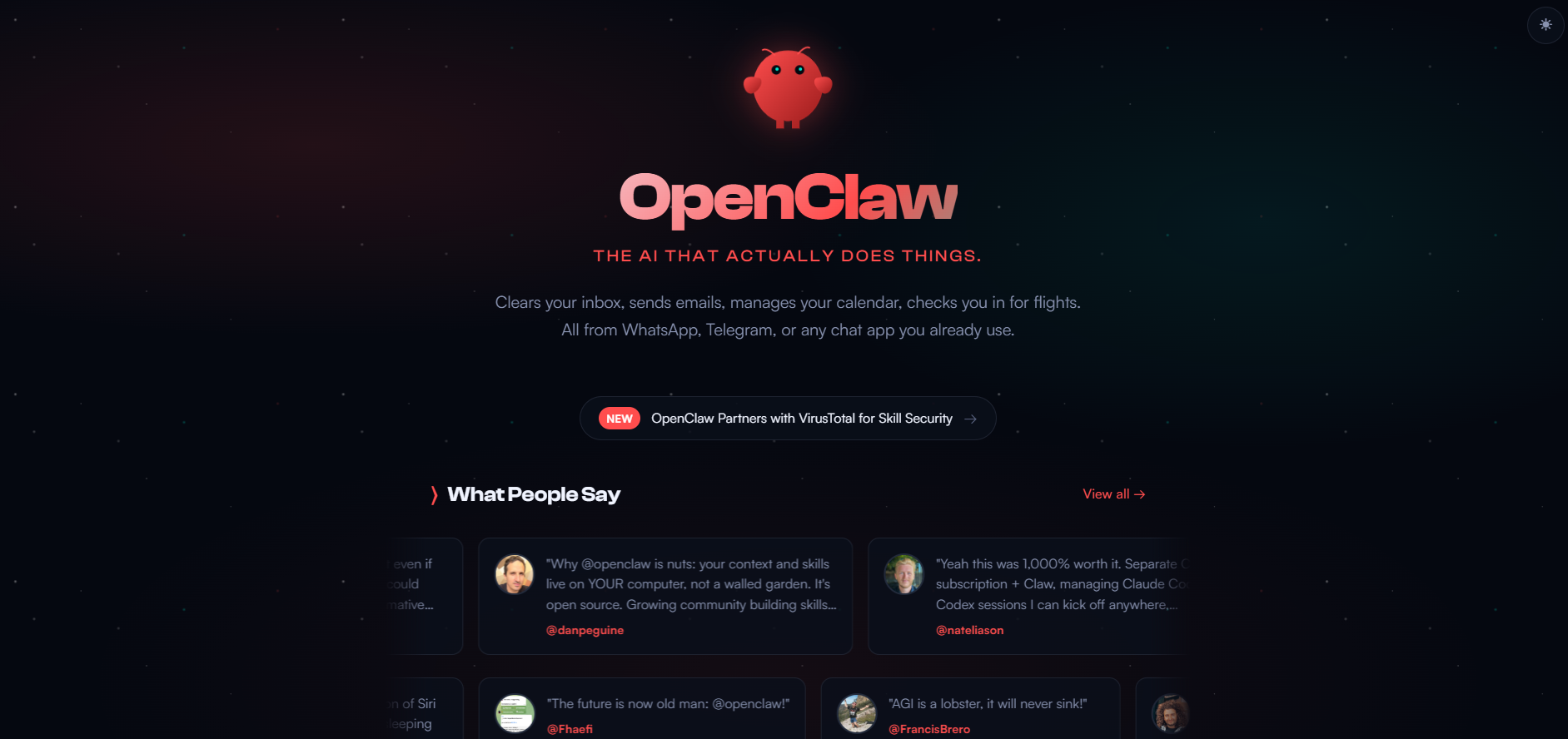
OpenClaw is powerful.
It can:
Execute scheduled tasks
Manage inboxes
Send messages
Store memory persistently
But it should be treated as privileged infrastructure.
Recent reporting has shown supply chain risks via malicious plugins in agent ecosystems.
Mitigation strategies:
Apply least privilege
Restrict plugins
Audit connectors
Review memory files
Agentic AI is powerful.
It is not casual software.
Practical Implementation Order
Most failures come from poor sequence.
Here is the safer order:
- Define your ICP and qualification language
- Build signal lists in Sales Navigator
- Enrich selectively with Clay
- Execute controlled outreach in Reply
- Structure meetings in Claap
- Automate CRM workflows in Attio
- Add orchestration only if governance exists
This prevents chaos later.
What We See in Baltic & EU Outbound Builds
Across Lithuania and neighboring markets, the teams that win do not ask:
“What tool should we buy?”
They ask:
“What should happen from intent detection to CRM update?”
That shift creates three advantages:
1. Stable data definitions
2. Real personalization
3. Durable automation
Baltic teams often sell cross-border into Nordics and Germany.
Language nuance, cultural tone, and trust matter more than raw volume.
An AI-first B2B sales stack must amplify judgment — not replace it.
Where This Stack Breaks
It breaks when:
Agents are deployed without governance
Data is over-collected
Permissions are unmanaged
Workflows lack ownership
Risk management frameworks increasingly emphasize AI governance and trustworthiness.
A simple baseline:
Define sensitive data boundaries
Scope credentials
Audit connectors monthly
Document enrichment purposes
Security and efficiency are not opposites.
They are aligned.
Final Thoughts: Architecture Over Tools
The best AI-first B2B sales stack is not about six subscriptions.
It is about operational design.
Signal feeds context.
Context drives action.
Action updates the system of record.
Governance protects trust.
Many teams still treat AI as a short-term experiment.
But scalable outbound requires a system mindset.

Mindset and long-term strategy
That is how modern outbound scales without increasing headcount.
That is how Baltic teams expand internationally without damaging reputation.
Soft Next Step
If you are building an AI-first B2B sales stack and want:
One measurable workflow
Controlled automation
EU-compliant architecture
Strong personalization without burnout
This is exactly what we build daily at leansales.tech.
We will review your signal layer, enrichment logic, workflow automation, and governance model.
Automation should increase leverage.
Not complexity.
